
We always take care of your smile

In short, gingivitis is gum inflammation.
It is caused by bacterial plaque, a sticky film that accumulates on the teeth and gums. The bacteria in the plaque produce acids and toxins that cause the gums to become red, swollen, or bleed. Over time, gum problems can lead to the gums receding from the teeth. As a result, pockets form between the teeth and gums. These pockets fill with bacteria, weakening the bone around the teeth, which leads to gum inflammation.
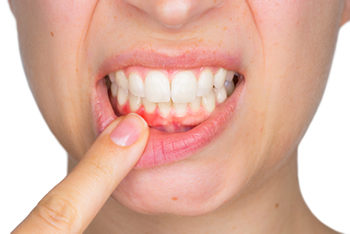
Symptoms of Gum Inflammation (Gingivitis)
Healthy gums are usually pale coral pink, firm, and have an orange-peel texture.
If gum inflammation is present, the gum edges may appear rounded and swollen, the shape of the gums may be altered, and discoloration may occur in shades of purple or red. Additionally, bad breath and bleeding in the mouth may be observed.
If left untreated, all tissues supporting the tooth can be affected, and as the condition progresses, the bone may also be affected, eventually leading to periodontitis.
Gum Inflammation (Gingivitis) Examination Process
If inflammation is at an early stage, professional teeth cleaning is performed first. This involves removing the plaque layer from the tooth surface.
If a deeper plaque buildup is observed, a deep cleaning procedure called scaling and root planing (curettage) is applied.
If the inflammation is severe, surgical treatment may be necessary. During surgery, the gums are opened and thoroughly cleaned. If there has been tissue loss, regenerative materials (such as bone grafts and other regenerative agents) are used to restore the lost tissue and complete the necessary treatment.
Gingivitis (Gum Inflammation) Treatment Process
Gingivitis cannot be treated with medication alone.
Gum tissue loss or damage occurs. During the treatment process, these areas are treated using the patient’s own tissues, aiming to prevent secondary tissue injury.
If there is an aesthetic concern due to tissue loss, appropriate aesthetic treatment is applied.
Precautions During Gingivitis (Gum Inflammation) Treatment
After the patient is instructed on proper oral hygiene practices, they must maintain regular and careful oral care.
In cases requiring significant intervention, the patient should be monitored for 6–12 months, with frequent follow-ups by a periodontist. Preventive measures are taken to avoid new tooth loss. The patient is informed about the necessary precautions and must adhere to them.
Gingivitis (Gum Inflammation) Is Often Not Taken Seriously Enough
Patients usually seek help for gum inflammation at the very last stage. This is because conditions like bad breath or gum bleeding are often considered normal by the public. As a result, individuals with gum inflammation generally come in at an advanced stage. One of the most overlooked issues is that during the course of the disease, the absence of pain or discomfort leads people to ignore bleeding and bad breath.
Gum diseases are among the main causes of tooth loss. Worldwide, approximately 80% of patients have some form of gum inflammation.
Blood sugar levels may vary in individuals with gum inflammation.
There is a direct relationship with other systemic diseases.
We always take care of your smile
+90533 302 77 78
Dentamar Oral and Dental Health Polyclinic Services © 2025 | All Rights Reserved. Crow Digital Agency
