

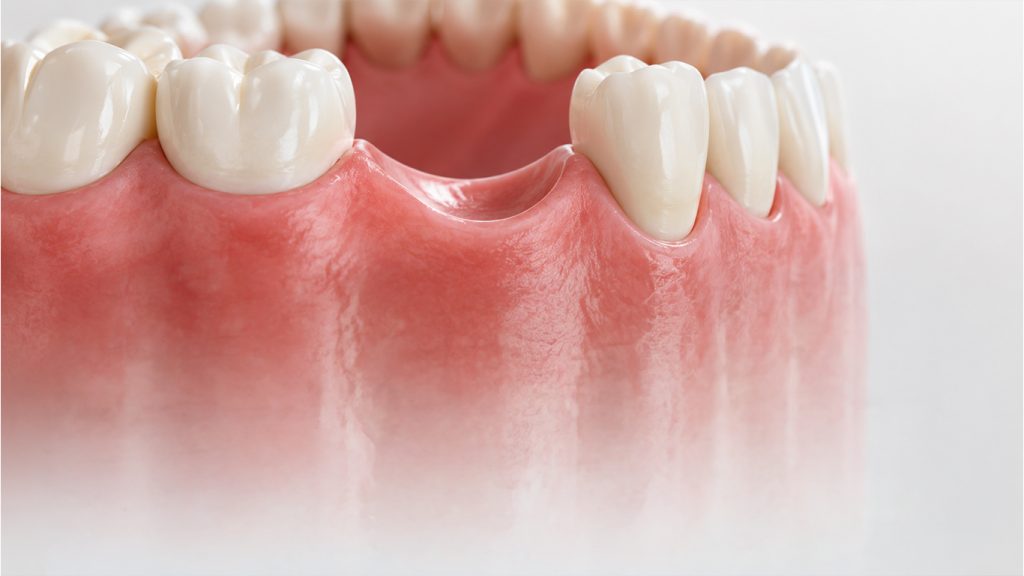
Why Replacing Missing Teeth Matters
Many people believe that losing a single tooth is only an aesthetic issue. However, even one missing tooth can affect your oral health, bite alignment, and daily comfort over time.
Replacing missing teeth is important not only for appearance, but also for maintaining the health and function of your entire mouth.
What Happens After Tooth Loss?
Bone Loss in the Jaw
When a tooth is missing, the jawbone in that area no longer receives stimulation from chewing. Over time, this can lead to bone loss and changes in facial structure.
Shifting Teeth
Nearby teeth may begin moving toward the empty space, causing misalignment and bite problems.
Difficulty Chewing
Missing teeth can make chewing less efficient and place extra pressure on remaining teeth.
Speech Changes
Depending on the location of the missing tooth, speech and pronunciation may also be affected.
Increased Risk of Dental Problems
Gaps between teeth may trap food and bacteria more easily, increasing the risk of cavities and gum disease.
Tooth Replacement Options
Dental Implants
A long-lasting solution that replaces both the tooth root and crown.
Dental Bridges
A fixed restoration supported by neighboring teeth.
Removable Dentures
An option for replacing multiple missing teeth.
Why Early Treatment Is Important
The longer a missing tooth remains untreated, the greater the chance of bone loss and shifting teeth. Early treatment helps preserve oral structure and prevents future complications.
Replacing a missing tooth is about much more than aesthetics. It helps maintain healthy function, jaw support, and long-term oral health.
